Cheap Flights to Norway: Book Direct Flights from Portugal
Compare plane ticket prices to Norway and find the best flight deals from Portugal. Discover Oslo, Bergen, the fjords and the northern lights with affordable fares.














How Much Do Flights to Norway Cost?
Explore the best flight deals to Norway from Portugal. Discover the lowest prices for one-way trips, round trips, and identify the most economical months to fly.
Cheap Flight Deals to Norway
Find the best flight fares from Portugal to Norway. Compare monthly prices for round trips and one-way trips to save on your plane ticket.
Best Time to Book a Flight to Norway
For flights from Portugal to Norway, the optimal booking window is between 6 to 8 weeks before departure. This recommendation is based on historical price patterns on the Lisbon-Oslo and Porto-Oslo routes, where airlines adjust fares as demand increases. Booking too far in advance can result in higher prices, as promotional fares have not yet been released. On the other hand, last-minute bookings face inflated prices due to low availability. The 6-8 week period offers the perfect balance between availability and competitive prices for Norwegian destinations.
Ready to Book Your Flight to Norway?
Compare prices from hundreds of airlines and book today.
What Are the Top Attractions in Norway?
Norway offers stunning natural landscapes and unique experiences. From majestic fjords to the northern lights, vibrant cities and Viking heritage, discover the attractions that make this Scandinavian country an unforgettable destination for any traveler.

Open: 24/7
Entry: Free
Best time: Summer
Located in: Geiranger, Møre og Romsdal

Visible: September to March
Tours from: 80 - 150 €
Best time: Night
Located in: Tromsø, Troms og Finnmark

Open: 24/7
Entry: Free
Best time: Morning
Located in: Bergen, Vestland

Open: April to October
Entry: Free
Best time: Morning
Located in: Forsand, Rogaland

Open: 9:00 AM - 6:00 PM
Entry: 12 - 15 €
Best time: Morning
Located in: Oslo

Open: June to September
Entry: Free
Best time: Morning
Located in: Odda, Vestland

Open: 24/7
Entry: Free
Best time: Summer
Located in: Nordland

Open: 2:00 PM - 6:00 PM
Entry: 5 - 8 €
Best time: Afternoon
Located in: Tromsø, Troms og Finnmark

Open: 9:00 AM - 6:00 PM
Entry: 10 - 12 €
Best time: Morning
Located in: Trondheim, Trøndelag

Open: 24/7
Cruises from: 40 - 100 €
Best time: Summer
Located in: Vestland

Open: 24/7
Entry: Free
Best time: Afternoon
Located in: Oslo

Open: 8:00 AM - 5:00 PM
Ticket: 45 - 60 €
Best time: Morning
Located in: Flåm, Vestland

Open: 24/7
Exterior visit: Free
Best time: Sunset
Located in: Oslo

Open: 24/7
Entry: 30 - 35 €
Best time: Midnight
Located in: Nordkapp, Troms og Finnmark

Open: 24/7
Entry: Free
Best time: Afternoon
Located in: Møre og Romsdal

Open: 24/7
Entry: Free
Best time: Winter
Located in: Røros, Trøndelag

Open: June to September
Tours from: 60 - 120 €
Best time: Morning
Located in: Vestland

Open: 24/7
Entry: Free
Best time: Afternoon
Located in: Ålesund, Møre og Romsdal
When is the best time to visit Norway from Portugal?
Norway offers unique experiences in every season of the year. Flight prices vary significantly between the high season in summer and the low season in winter, with differences that can reach 40%. Plan your trip according to what you want to see and do.
Norwegian winter offers the best opportunity to see the northern lights, especially between December and March. Flights are cheaper during this time, with fares up to 35% lower than summer. Visit Tromsø, the Arctic capital, for unique aurora viewing experiences. Ski resorts like Trysil and Hemsedal are at their peak. Prepare for short days and temperatures that can drop to -20°C in the north.
Spring brings the thaw and rebirth of Norwegian nature. Days quickly become longer, with light until 10 PM in May. Flight prices start to rise in April, but you can still find good deals before the tourist peak. Fjord waterfalls are at their maximum due to snowmelt. It's an ideal time for hiking without crowds and to see the freshest seafood.
Summer is high season in Norway, with midnight sun above the Arctic Circle. Flights are more expensive, but the experience is worth it. All hiking trails are open, including the famous Trolltunga. Temperatures are mild, between 15-25°C, perfect for exploring. Book in advance as hotels and activities sell out quickly. The fjords are at their maximum splendor.
Autumn brings spectacular colors to Norwegian forests, with vibrant golden and red tones. Flight prices drop significantly after September, making it an excellent time to save. Temperatures are cool but pleasant, ideal for hiking without heat. There are fewer tourists, allowing for more authentic experiences. Harvest season brings gastronomic festivals throughout the country.
Frequently Asked Questions about Flights to Norway from Portugal
To find cheap airline tickets to Norway, use TICKETS.PT which compares prices from hundreds of airlines and booking sites like Ryanair, Norwegian, TAP, SAS and other partners. Book 2-3 months in advance for the best fares. Avoid traveling in July and August when prices rise up to 40%. Set up price alerts on TICKETS.PT to receive notifications when flights drop in price. Flights with stopovers are generally 30-50% cheaper than direct flights. Consider flying to Oslo and then using domestic transport to other Norwegian destinations.
No, Portuguese citizens do not need a visa to visit Norway. Norway is part of the Schengen Area, allowing free movement for EU citizens. You can stay up to 90 days with just a valid Citizen Card or passport. For stays longer than 90 days, you need to register with Norwegian authorities. Always check the validity of your documents before traveling. Although not mandatory, travel insurance is recommended. The local currency is the Norwegian krone, not the euro.
Direct flights from Lisbon to Oslo take approximately 4 hours and 15 minutes. From Porto to Oslo, the time is similar, about 4 hours and 30 minutes on direct flights. For Bergen, add 30 minutes to the flight time. Flights with stopovers can take between 6 to 12 hours depending on connection time. The main stopover cities are Copenhagen, Stockholm, Amsterdam and Frankfurt. For destinations in northern Norway like Tromsø, count on at least 7-8 hours including stopovers. Norway's time zone is GMT+1, same as mainland Portugal.
Oslo Gardermoen Airport is the largest and main international hub in Norway, located 50 km from the capital. Bergen Flesland Airport is the second largest, gateway to the Norwegian fjords. Stavanger Airport serves the southern fjord region and Preikestolen. Trondheim Airport Værnes connects central Norway. For the Arctic, Tromsø Airport is essential for seeing the northern lights. Other regional airports include Ålesund, Bodø and Kristiansand. All airports have good public transport connections to city centers.
TICKETS.PT is a flight aggregator that compares prices from hundreds of airlines and partner booking sites like Ryanair, Norwegian, TAP, SAS, Lufthansa, KLM, Air France, Wizz Air, easyJet, among others. We do not add fees or markups to the prices shown. In fact, airlines and booking sites pay us to be featured on our platform due to the competitiveness of the travel industry. This allows us to offer the lowest prices on the market. Use our advanced filters to find the perfect combination of price, duration and comfort for your trip to Norway.
No, TICKETS.PT does not add any fees or markup to the prices you see. Booking sites and airlines pay us to appear on our platform because the travel industry is extremely competitive. The price you see on TICKETS.PT is exactly the price you will pay when completing the booking on the partner's site. We are completely transparent about all costs. When you click to book, you are redirected to the airline or travel agency website where you complete the purchase directly with them. Our mission is to help you find the cheapest flights to Norway without hidden costs.
Book flights to Norway 8-12 weeks in advance to get the best prices. For summer travel, book even earlier, 3-4 months in advance. Prices rise significantly in the last 3 weeks before departure. Tuesdays and Wednesdays generally have lower fares than weekends. Set up price alerts on TICKETS.PT to monitor fluctuations. Avoid booking during Portuguese and Norwegian holidays. January, February and November are the cheapest months to fly. Flash sales often appear on Tuesday mornings.
Yes, there are direct flights from Lisbon and Porto to Oslo operated by TAP Air Portugal and Norwegian. Frequency varies by season, with more flights in summer. For Bergen, there are occasionally seasonal direct flights in summer. For other Norwegian destinations like Tromsø, Stavanger or Trondheim, you will need to make a stopover, usually in Oslo, Copenhagen or Stockholm. Direct flights are more convenient but generally 30-40% more expensive than options with stopovers. Use TICKETS.PT to compare all options and choose the best balance between price and convenience.
Flight prices from Portugal to Norway range between €80 and €400 round trip, depending on season and booking advance. In winter, you can find promotional flights from €80-120 round trip. In spring and autumn, expect to pay €150-250. In summer, high season, prices rise to €250-400 or more. Last-minute flights can cost over €500. Book in advance and use TICKETS.PT to compare all available options. Set up price alerts to be notified when there are promotions. Flights with stopovers are always more economical.
Portuguese citizens only need a valid Citizen Card or passport to enter Norway. No visa is required for stays up to 90 days. It is recommended that documents have a minimum validity of 6 months. Although not mandatory, it is advisable to have the European Health Insurance Card. For unaccompanied minors, additional documents may be required. If you plan to rent a car, bring a valid Portuguese driving license. There are no border controls between Schengen countries, but there may be random checks. Always keep digital copies of your documents.
The Flytoget is the express train that connects Oslo Gardermoen Airport to the center in just 20 minutes, costing around 200 NOK. It operates every 10 minutes from 5:30 AM to 1 AM. Alternatively, NSB regional trains are cheaper, around 100 NOK, but take 25 minutes. Flybussen buses cost approximately 180 NOK and take 40-50 minutes. Taxis cost 600-800 NOK to the center. Uber and Bolt also operate in Oslo. For groups, sharing a taxi can be worthwhile. All transport accepts credit cards. Compare prices on TICKETS.PT before booking.
Yes, Norway is one of the most expensive countries in Europe. A restaurant meal costs €20-35, beer €8-12, and accommodation €80-200 per night. Supermarkets are more affordable than restaurants. Public transport is efficient but expensive, around €4 per trip. Tourist attractions cost €15-30. To save money, buy food at supermarkets like Rema 1000 or Kiwi, use Oslo Pass for attractions, and book accommodation in advance. Camping is allowed free in natural areas. Tap water is free and of excellent quality. Plan a daily budget of €80-150 per person.
Complete Guide to Traveling from Portugal to Norway
Prepare your trip to Norway with essential practical information. Discover everything about visas, transportation, accommodation, safety, and local customs to make the most of your Nordic experience.
Portuguese citizens do not need a visa to visit Norway, as both countries are part of the Schengen Area. You can stay up to 90 days with just a valid Citizen Card or Passport. Norway is not part of the European Union but belongs to the European Economic Area, which guarantees free movement. Ensure your document has a minimum validity of three months after your planned departure date. For stays exceeding 90 days or work purposes, you will need to apply for a residence permit. Travel insurance is recommended, although the European Health Insurance Card covers basic medical care. Keep digital copies of your documents. There is no border control between Schengen countries, but always carry identification with you. Norwegian authorities may request proof of accommodation and sufficient financial means for your stay.
Norway has an excellent public transport network, though more expensive than Portugal. Trains are comfortable and punctual, with scenic routes like Bergen-Oslo. Book in advance for discounts up to 50%. Buses cover remote areas where there are no trains. The ferry system is essential for exploring fjords and coastal islands. In cities, use apps like Ruter (Oslo) or Skyss (Bergen) for digital tickets. Oslo's metro is efficient and clean. Renting a car offers flexibility, especially for rural areas, but fuel prices are high compared to Portugal. Roads are well maintained, but in winter they require special tires and caution with snow. City parking is expensive. Consider Norway in a Nutshell for a complete scenic transport experience. Bicycles are popular in cities, with many safe bike lanes.
Accommodation in Norway is significantly more expensive than in Portugal. Hotels in Oslo cost between 100-200€ per night, while in Bergen and Tromsø prices are similar. Hostels offer budget options from 30-50€ in shared dormitories. Airbnb can be more affordable, especially for groups. Cabins (hytter) are an authentic Norwegian experience, available in rural and mountainous areas. Camping is popular in summer, taking advantage of the right of access to nature (allemannsretten). Book months in advance for summer and northern lights season. Many hotels include a hearty breakfast in the price. Central areas are convenient but expensive. Consider staying in residential neighborhoods with good transport links. Accommodations are modern, clean, and well heated. In winter, check for adequate heating. Chain hotels like Thon and Scandic offer good value with loyalty programs.
Norway is one of the safest countries in the world, with very low crime rates. You can walk alone at night in cities without worry. Theft is rare, but stay alert in busy tourist areas. The main concern is natural challenges: weather can change quickly in the mountains, always bring appropriate clothing. In winter, icy surfaces cause frequent falls, wear proper footwear. Respect warnings about avalanches and weather conditions. Emergency services (112) are efficient and speak English. Tap water is drinkable and of excellent quality. Beware of high prices in restaurants and bars, which can surprise compared to Portugal. There are no common scams targeting tourists. Norwegians are honest and trustworthy. Store valuables in secure places. In summer, protect yourself from mosquitoes in rural areas. Respect nature and follow the outdoor code of conduct.
Norwegians value punctuality above all, always arrive on time. They are initially reserved, different from Portuguese openness, but extremely polite and helpful. Personal space is important, maintain distance in conversations. Equality is fundamental in society, everyone treats each other informally. Remove shoes when entering homes. Silence is appreciated on public transport, avoid loud conversations. Nature is sacred, follow allemannsretten responsibly, leave no litter. Sunday is a day of rest, many shops close. Tips are not mandatory, service is included. Split bills equally in groups. Dinner is early, between 5-7 PM, different from Portuguese timing. Respect queues rigorously. Norwegians appreciate discussions about nature and outdoor activities. Avoid topics about personal wealth. Most speak fluent English. Appreciate the concept of koselig, Norwegian coziness especially in winter.
Norwegian food is expensive compared to Portugal, a restaurant dinner costs 25-40€ per person. Supermarkets like Rema 1000 and Kiwi are more economical for meals. Try fresh salmon, cod, shrimp, and reindeer meat. Brunost (brown cheese) is unique and sweet. Kjøttkaker (meatballs) and fårikål (lamb with cabbage) are traditional dishes. Breakfast is hearty with breads, cheeses, cold cuts, and herring. Try rakfisk (fermented fish) if you're adventurous. Bakeries offer delicious cakes like skillingsboller and kanelboller. Avoid restaurants in main tourist areas. Lunch buffets (lunsj) offer good value. Beer is expensive, a bottle costs 8-12€ in bars. Buy alcohol at Vinmonopolet stores, the state monopoly. Ethnic restaurants are more affordable. Bring snacks from Portugal to save money. Tap water is free and excellent. Food halls in cities offer variety at reasonable prices.
For a first visit, dedicate 7-10 days exploring Oslo, Bergen, and the fjords. Oslo deserves 2-3 days for museums, Royal Palace, and Vigeland Park. Bergen needs 2 days, including the Fløibanen funicular and Bryggen. Reserve 3-4 days for the fjords, visiting Geirangerfjord or Sognefjord. In winter, Tromsø is ideal for northern lights, requires 3-4 nights. The Lofoten Islands require a minimum of 4 days. Stavanger and Preikestolen deserve 2 days. Use Norway in a Nutshell to maximize time in the fjords. In summer, enjoy the midnight sun in the north. Winter offers skiing and snow activities. Spring and autumn have fewer tourists and lower prices. Book accommodations and transport in advance. Consider the Norway Rail Pass for unlimited train travel. Leave time for weather contingencies. Combine cities with nature for a complete experience. Check transport schedules, which reduce in winter.
Norwegian climate requires careful preparation. In winter, bring thermal clothing, waterproof and warm jacket, gloves, hat, and scarf. Waterproof boots with good grip are essential for snow and ice. In summer, bring layers, as temperatures vary between 15-25°C, cooler than Portugal. Rain jacket is mandatory year-round. Sunscreen and sunglasses are important, especially in snow. Small backpack for daily excursions. Reusable water bottle to refill for free. Power adapter is not necessary, Portugal and Norway use the same type. Personal medications and travel insurance. Comfortable walking clothes. Swimsuit for saunas and thermal pools. Eye mask for sleeping in summer with midnight sun. Flashlight for winter with short days. Chargers and power bank. Debit/credit card, cash is rarely used. Snacks from Portugal to save money. Sturdy luggage for variable climate.
Main Airports for Flying to Norway from Portugal
Norway has several international airports well connected with Portugal. Discover the main Norwegian airports, their characteristics, and how to find cheap flights from Portugal to each destination, making it easier to plan your trip to the Nordic countries.
Which airlines fly to Norway from Portugal?
Several airlines offer flights from Portugal to Norway, from low-cost operators to full-service carriers. Compare prices and services to find the best flight options that suit your budget and travel preferences.
Where to fly to from Norway with TICKETS.PT?
Norway is an excellent base for exploring Scandinavia and northern Europe. Discover fascinating destinations accessible from Oslo, Bergen and other Norwegian cities, with frequent flights and competitive prices for your next adventures.


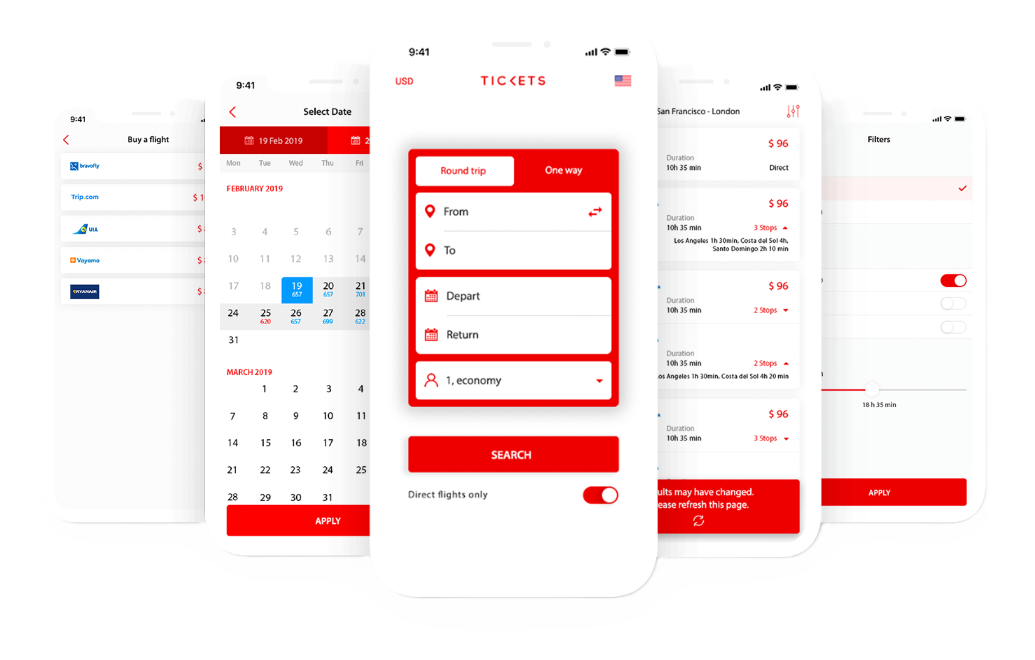
Book smarter with TICKETS! Our user-friendly iOS app offers instant access to Portugal's best flight deals, comparing top airlines and travel platforms to secure you the lowest fares on both domestic and international routes. Discover, compare, and book—all in a few simple taps!